







B2B in iGaming: Standards, Technologies, and Widespread Trends

The global iGaming industry continues to grow, much driven by tech innovations and ever-growing customer expectations. According to the estimates of the European Gaming and Betting Association, the gambling market will reach €149.2 billion by 2029, driven by digitalization. The share of online gaming in this case is estimated to reach 59% of total revenue compared with 39% in 2024. Online gambling growth is fostered by greater accessibility and technology first.
The key aspect of the industry growth is the infrastructure provided by B2B providers, which greatly expands the scope of iGaming solutions available to end users. These solutions touch many aspects: game mechanics, graphics, engagement, retention, etc. Tech advancements actually reshape the gambling landscape and expand the market value. B2B upgrades market standards this way.
What is B2B in iGaming?
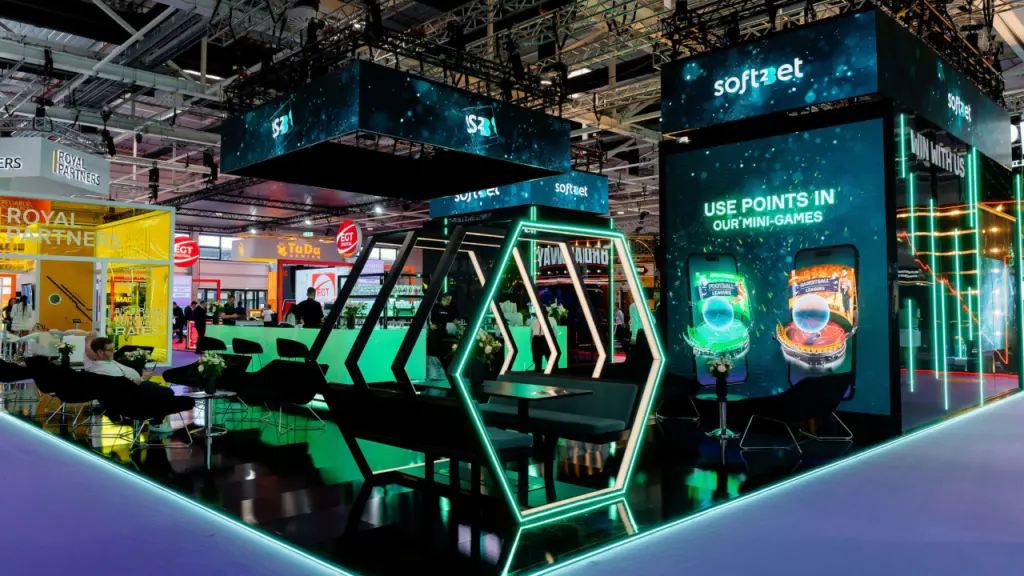
The modern structure of the iGaming market is divided into two main segments: business-to-consumer (B2C) and business-to-business (B2B). While the former interacts with end users directly, the latter deals with iGaming operators only. B2B companies provide technical infrastructure, security options, gaming libraries, compliance modules, analytical tools, etc. They create an essential background for iGaming businesses to enter the target markets and expand their operations with solutions from Soft2Bet.
B2B in this context provides turnkey solutions and platforms where businesses can bring their ideas to reality. Without these platforms, gambling operators will have to deal with dozens of providers. The companies will also have limited opportunities for functionality and scalability.
B2B segments comprise several types of providers:
- Platform developers
- Game developers and providers
- Payment service providers
- Data analytics companies
- Compliance and security specialists
- Marketing companies.
Tech providers play a crucial role in this context. They allow market operators and startups to leverage the existing, advanced tech infrastructure without building their systems from scratch. The cutting-edge, turnkey providers ensure superior results by decreasing costs by 55% and improving time to market by 200%. The partner onboarding time may be reduced by 70%. These indicators signify the ease of launching and maintaining an iGaming business when it is done through a B2B platform.
Main Types of B2B Products in iGaming
Any B2B platform in iGaming is a multilayered pie. While some cutting-edge turnkey providers ensure standalone modules, there are still some essential components that feature any workable B2B iGaming provider.
Software Platform Development
It is one of the core services that greatly determines the platform’s functionality and, consequently, user experiences. Ensuring bug-free operation is a cornerstone of software development in iGaming. The reliable and resilient platforms later serve as foundations for streamlined operations of online casinos and sportsbooks.
Backend infrastructure systems are common for all platforms. They ensure seamless operation of platforms, including user management, data handling, analytics, and reporting. Regardless of the type, modern B2B platforms are designed to handle thousands of users simultaneously.
Game Providers
These market players provide digital gambling content, different games that are joined in libraries. These are slots, table games, and other entertainment options. These providers are in charge of designing and developing games.
Beyond that, they also integrate game content into different online platforms and ensure game compatibility across different devices. These integrations allow iGaming companies to assess thousands of games and scale these operations to foster business growth.
Join Soft2Bet Today
Payment Technologies
Payment technologies are essential to ensure good user experiences and effective processing of financial transactions on the platform. According to the case study, nearly a quarter of players (23%) noted they would abandon the app if they had any problems with depositing their funds. About a third of players (32%) will abandon the app if it takes too long to fund their account.
In terms of payment operations, the key points are the following:
- Streamlined payment processing
- Currency conversion and localization
- Integration of multiple payment options
- Security and fraud detection.
Analytical and Marketing Providers
Modern iGaming operators have huge data volumes. The trends in this case are changing fast and have to be tracked in real time. This function will help to make promotions tailored to user needs and the business competitive overall. Thus, B2B analytics and marketing are focused on the following aspects:
- Real-time user behavior monitoring
- User segmentation and customizing promotions
- Performance metrics and reporting
- Retention modules
The modern facilities of B2B providers are adapted to handling big data effectively to leverage the changes and trends as soon as they appear.






Technologies User in B2B iGaming
The tech infrastructure of modern B2B providers is built with the primary goal in mind – to ensure easy and accurate data processing and decision-making within the platforms. This tech infrastructure is designed to provide scalable, reliable, and effective operational solutions. In this context, there are core technologies:
- Cloud Computing. It makes the iGaming infrastructure flexible for adaptation to specific business needs. At the same time, it is also used to reduce deployment costs. In some cases, redesigning applications may cut the costs by 89%.
- API Integrations. These options allow iGaming providers to ensure a seamless connection between different systems. Games, analytical tools, payment gateways, and other modules work in harness and as a clock.
- Big Data Processing. Modern B2B providers support real-time analytics and help to increase the effectiveness of decision-making. The latter relies on accurate, up-to-date information about the user behavior and transactions made within the platform.
- Scalable Solutions. The modern iGaming business offers unparalleled opportunities for business growth. Those can be leveraged only when the business can ensure the scalability of its processes without sacrificing the effectiveness of its operations.
Regulatory Aspects in the B2B Segment
Regulation is a critical component in modern iGaming. Even though B2B providers don’t work directly with the customers, these providers still fall under respective legal rules. These are:

- Licensing. Most jurisdictions impose licensing requirements that iGaming providers must comply with at the time of application and maintain further during their operation. These requirements may significantly vary from state to state.
- Technical Certification. B2B providers in iGaming have to ensure full compliance with the applicable tech standards. Those should be backed by respective system integrity testing. Technical infrastructure should ensure effective data processing, compliance, reporting, etc.
- Security. Applicable legal frameworks usually set high standards for protecting personal and financial information. Non-compliance may result in considerable fines. Operators may even lose their license in case of severe or repetitive violations.
Role of B2B Companies in the Industry Progress
B2B iGaming providers play an essential role in streamlining industry growth. They make their contributions in the following ways:
- Building Technical Infrastructure. B2B providers develop and offer turnkey solutions to power online gambling platforms.
- Supporting Operators. B2B providers provide facilities and software solutions that ensure ongoing and streamlined operations within the iGaming platform. This support is also aimed at ensuring sufficient performance metrics.
- Driving Innovations. B2B providers have access to the real-time data about how iGaming transactions are processed and are changing. They can address possible drawbacks and emerging trends. B2B providers develop and implement innovative solutions to further excel in business performance.
By enabling operators to focus on user experience and marketing, B2B providers contribute to overall market expansion. In many cases, they act as innovation hubs. Within these sites, they develop and later introduce new technologies that shape industry trends.
Key Trends in iGaming
The B2B segment remains the primary venue for testing and integrating innovations in iGaming. It responds to the evolving market trends and changing user demand first by introducing technological advancements. Nowadays, several trends are the most vivid ones:
- Mobile Integrations. These options become essential and are primarily focused on providing hassle-free user experiences. According to independent market analytics, more than 50% of all online gambling in Europe now happens on mobile devices. B2B providers address this trend first. They develop and integrate effective mobile interfaces with simple yet engaging interfaces that provide hassle-free gameplay.
- Gamification. Many market operators redefine the traditional approaches to gamification to maximize the gains and retention of users. The most innovative strategy in this case is the progress-based incentives. Instead of chasing short-term gains, they provide user experiences focused on game progress. The rewards are provided based on achievements and encourage higher user retention.
- Process Automation. Handling large-scale data volumes in iGaming becomes more and more complicated, given the steadily growing volumes. It is possible to achieve this by integrating automation across all the stages of operation. Beyond higher effectiveness, automation also reduces processing time and cuts operational costs.
Join Soft2Bet Today
Future Outlook in B2B iGaming
The future iGaming industry will be determined by advanced technological solutions and the ongoing development of digital entertainment solutions. The key priorities in this case are the following:
- Growing Demand for Scalable Products. Market operators seek simplicity and effortless scalability once their business needs and operations grow. Scalability allows them to tailor their functionalities appropriately to expanding user bases. Scalability prevents losing potential customers by providing them with no less seamless experience than before, increasing the volume of operations.
- New Entertainment Formats Are Emerging. Gamified elements and interactive content become more popular options that attract users because of high engagement. Live streaming is another popular solution that allows gamers to watch playing slots and other casino games online. These streams are usually supplemented with comments and discussions that make experiences more interactive.
- Integration of emerging technologies. Virtual Reality (VR), and Augmented Reality (AR) remain the primary focus of many B2B providers. The latter technologies are most immersive and facilitate high engagement rates. These technologies allow B2B providers to accurately process information. It is also effective in determining the most effective promotions that fully align with users’ needs and preferences.
Innovation and B2B Solutions Driving iGaming Growth
B2B plays a pivotal role in ensuring the resilience and growth of the entire iGaming industry. Sporadic integrations are no longer feasible to ensure sustainable business growth. Modern companies seek turkey solutions that are flexible and scalable to their needs.
Tech innovations are primary drivers in the mentioned context. They allow B2B providers to excel in terms of services and ensure their stability. Innovations shape how platforms are developed, optimized, and scaled.
Data analytics and advanced technologies (AR and VR) remain at the forefront of the future market changes. As the industry demands grow, B2B providers invest significant resources in developing innovations further to make iGaming even more engaging for users and business metrics higher.